

By Olivia Henry, the Australian Science Media Centre
A genetically modified purple tomato has received all the necessary approvals for commercial sale in Australia, according to a release from seed company Norfolk Healthy Produce and distributor All Aussie Farmers.
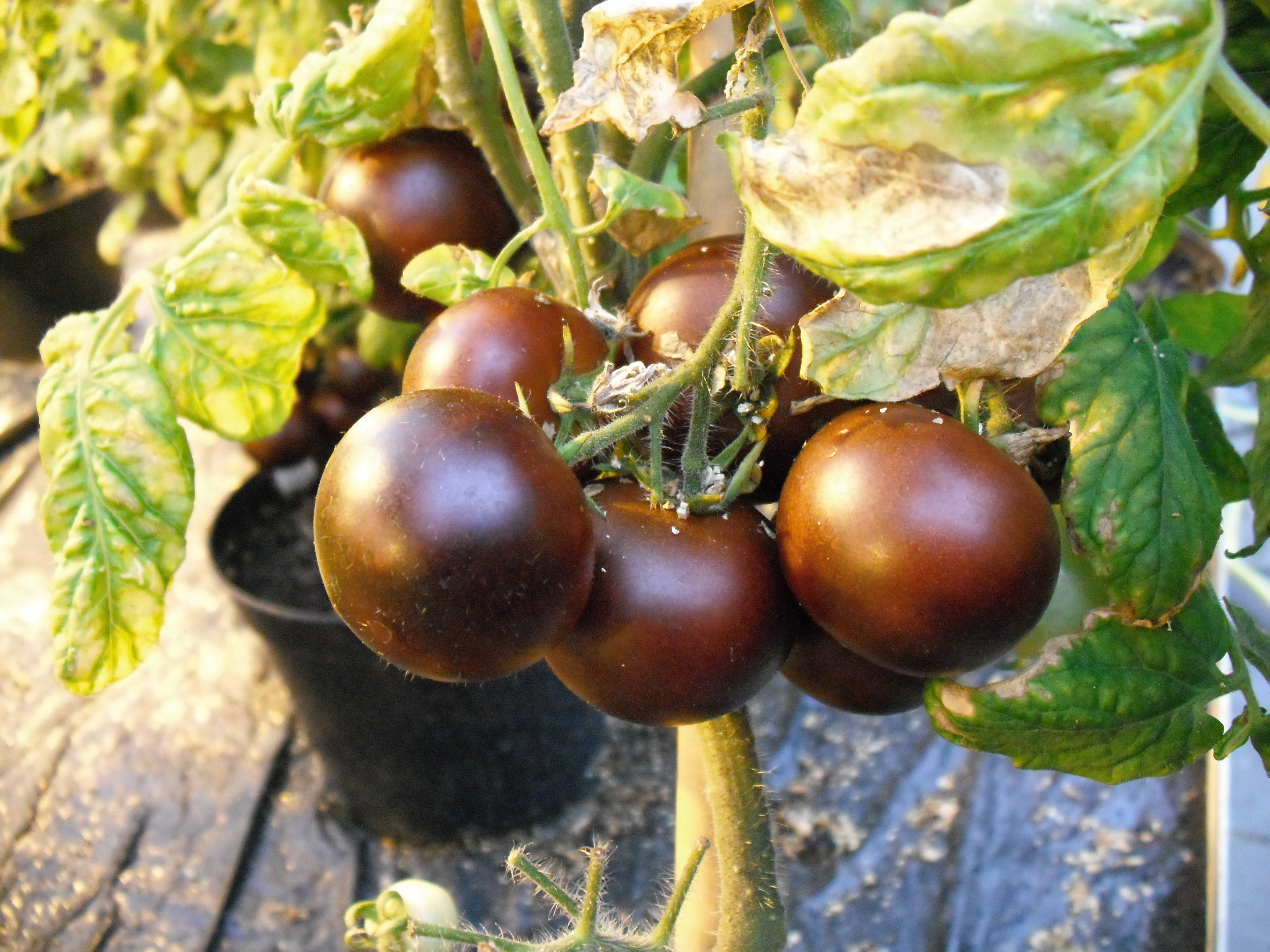
The tomato, which gains its vibrant purple colour from the genes of snapdragon flowers, is high in anthocyanins, which are compounds found in foods including blueberries and blackberries with antioxidant properties.
It's expected to hit Aussie shelves this year.
In an Expert Reaction to the AusSMC, Professor Phil Brewer, a plant biologist from La Trobe University, told the AusSMC the tomatoes are “an exciting food innovation.”
“These genes are already present in tomatoes, and breeders have been working to increase them via traditional techniques,” he said.
“So, this innovation has accelerated that process.”
The Australian Gene Technology Regulator issued a licence for release of the tomato after Food Standards Australia New Zealand (FSANZ) said last year that the product is “as safe as food from conventional tomatoes already in the Australian and New Zealand food supply.”
Dr Heather Bray, a science communication expert from the University of Western Australia, said the announcement “sends a strong message to the Australian community that this product is safe to grow and eat."
But, she added, Australia’s transparent regulatory process means consumers can easily make informed choices about whether or not they want to eat the tomato themselves.
“The tomato would be labelled as GM when we start to see it in our supermarket shelves,” she said.
And while the tomatoes aren’t required to be labelled when served in cafes and restaurants, “based on the images of The Purple Tomato™ it looks very different to all of the tomatoes already available, so I think consumers should feel confident that they will be free to choose whether to eat this tomato,” she added.
While Australia has seen other purple tomatoes in the past, The Purple Tomato™ is unique because it’s purple all the way through the fruit, rather than just on the skin.
In addition to being a fun new Instagrammable element to dishes, Dr Joseph Pegler, a plant biologist from the University of Newcastle, said these “natural pigments found in berries and other plants, help protect health.”
Anthocyanins are associated with a range of benefits, including protection against heart disease, improvement of sight, as well as anti-inflammatory and anti-carcinogenic effects, Professor Brewer added.
“[They could also] help prevent obesity and diabetes,” he said.
But it’s not just human health that could benefit, according to molecular plant pathologist Professor Rebecca Ford from Griffith University: tomato growers could also benefit.
“Besides providing the major purple pigmentation to the fruit, the additional anthocyanin gene is a potential powerful antioxidant that provides not only health benefits to consumers but also to the plant itself through tolerance to abiotic stresses such as cold temperatures, drought, and resistance against pathogens like fungi that would otherwise reduce yield and quality,” she said.
But, as Dr Bray pointed out, The Purple Tomato™ still has one very important test to pass.
“While safety is the most important concern when it comes to food, whether consumers find it tasty is the ultimate test for this new product,” she said.
Dr Pegler, a plant biologist, agreed:
“If you needed one, here is your excuse to whip up a bruschetta or Bloody Mary,” he said.
Read the full AusSMC Expert Reaction here.
This article originally appeared in Science Deadline, a weekly newsletter from the AusSMC. You are free to republish this story, in full, with appropriate credit.
Contact: Olivia Henry
Phone: +61 8 7120 8666
Email: info@smc.org.au